

Biomedical researchers at the University of Southern California (USC) have discovered a novel metabolic pathway that turns a protein typically associated with cancer growth into a powerful driver of anti-tumor immunity. By targeted activation of Peroxisome Proliferator-Activated Receptor Delta (PPARD) inside genetically engineered immune cells, the research team successfully rewired the cells' metabolic machinery, prompting them to burn fatty acids for fuel. This metabolic shift dramatically enhances cellular fitness and persistence, enabling modified Chimeric Antigen Receptor (CAR) T cells to infiltrate, attack, and eliminate aggressive solid tumors that previously resisted standard immunotherapy treatments. The study, published on October 16, 2026, addresses one of the most persistent bottlenecks in modern oncology: the metabolic exhaustion of immune cells within the nutrient-deprived, immunosuppressive microenvironment of solid tumors. While traditional cancer research focused primarily on blocking PPARD to starve malignant cells, the USC-led team demonstrated that selective PPARD stimulation inside immune cells dramatically alters the balance of power within the tumor microenvironment. Metabolic Reprogramming via PPARD Activation and Fat Burning: At the center of the discovery is the concept of "cellular fitness"—how immune cells generate and consume energy when confronting hostile tumor tissue. PPARD functions as a nuclear receptor and transcription factor that regulates lipid metabolism. While cancer cells exploit PPARD to fuel rapid proliferation, researchers found that activating the same protein inside T cells forces a transition toward fatty acid oxidation (FAO), effectively changing the cellular "diet." According to Assistant Professor Semir Beyaz, lead researcher on the study, the metabolic demands of cancer cells and immune cells are governed by identical physical and biochemical constraints. By increasing the rate at which T cells metabolize lipids, the researchers prevented the premature metabolic exhaustion that typically causes CAR T cell therapies to fail in solid tumors. To test this mechanism, the USC team engineered CAR T cells with activated PPARD pathways and evaluated their efficacy across a series of complex experimental models, including: • Patient-Derived Tumor Organoids: Three-dimensional cell cultures derived directly from patient biopsy samples to simulate real-world human tissue architecture. • Humanized Mouse Models: Immunodeficient mice implanted with human cancer tissues to monitor live tumor-immune interactions over extended periods. • Aggressive Solid Cancer Types: Preclinical testing focused on colorectal cancer—a malignancy showing rising incidence among younger demographics—as well as hard-to-treat models of breast cancer, ovarian cancer, and melanoma. In all experimental trials, PPARD-activated CAR T cells demonstrated significantly enhanced persistence, successfully slowing or completely halting tumor growth compared to unoptimized control T cells. • Key Protein Targeted: Peroxisome Proliferator-Activated Receptor Delta (PPARD). • Primary Energy Mechanism: Shift from glucose reliance to enhanced fatty acid oxidation (lipid burning). • Engineered Cell Type: Genetically modified CAR T cells tailored for solid tumor targeting. • Experimental Models: Patient-derived organoids, humanized mouse models, and patient tissue cultures. Context and Historical Antecedents in Cancer Immunotherapy The development of CAR T cell therapy represents one of the major breakthroughs in 21st-century medicine, earning initial approvals from the U.S. Food and Drug Administration (FDA) in 2017 for hematologic malignancies such as leukemia and lymphoma. However, extending CAR T cell success to solid tumors—which account for approximately 90% of adult human cancers—has presented severe clinical challenges. Solid tumors create a harsh microenvironment characterized by hypoxia (low oxygen), high acidity, and rapid depletion of essential nutrients like glucose. When standard CAR T cells enter this environment, cancer cells outcompete them for glucose, leading to rapid T cell exhaustion and treatment failure. 1. First-Generation Immunotherapies (2010s): Focused primarily on unbraking the immune system via checkpoint inhibitors (e.g., anti-PD-1/PD-L1) or redirecting T cells via surface receptor engineering (CAR T). 2. The Solid Tumor Barrier (2017–2024): Clinical trials revealed that engineered T cells frequently stalled or died inside solid tumors due to metabolic starvation and nutrient competition. 3. Metabolic Immunotherapy Era (2025–2026): Researchers shifted toward engineering metabolic resilience, enabling immune cells to utilize alternative energy sources like lipids to sustain long-term anti-tumor activity. Strategic Implications and Clinical Limitations: The ability to metabolically fortify immune cells opens new therapeutic avenues for oncology, but researchers emphasize that several technical and regulatory steps remain before human clinical trials can begin: • Targeted Delivery vs. Systemic Toxicity: Because PPARD can promote growth when activated inside cancer cells themselves, therapeutic delivery must strictly confine PPARD activation to ex vivo engineered immune cells (such as CAR T cells) prior to patient infusion, avoiding systemic drug administration that might inadvertently stimulate tumor tissue. • Expansion Across Hard-to-Treat Malignancies: Beyond colorectal cancer, the observed efficacy against breast, ovarian, and melanoma models suggests that metabolic optimization could form a universal plug-and-play upgrade for existing CAR T platforms. • Manufacturing and Cost Scaling: Incorporating metabolic activation protocols into current CAR T manufacturing workflows could potentially improve the yield and potency of therapeutic batches, lowering the total dose required per patient. What We Know and What Remains to Be Discovered? - What is confirmed: • USC researchers led by Assistant Professor Semir Beyaz demonstrated that activating PPARD in CAR T cells forces them to burn fat, significantly improving their ability to attack solid tumors. • The findings were published in peer-reviewed scientific literature on October 16, 2026. • Experimental validation confirmed suppressed tumor growth across colorectal, breast, ovarian, and melanoma models in laboratory organoids and humanized mice. - What remains to be determined: • The precise timeframe for FDA Investigational New Drug (IND) clearance to initiate Phase I human clinical trials. • Whether long-term lipid burning alters the memory phenotypes of CAR T cells inside human patients over multi-year periods. • The comparative cost efficiency of metabolically enhanced CAR T manufacturing relative to current commercial cell therapies. Regional Perspective for Global Readers: For international healthcare systems, research institutions, and biotechnology investors across North America, Europe, and Asia, the convergence of cellular metabolic engineering and gene therapy marks a critical evolutionary step in cancer care. If validated in clinical trials, metabolic CAR T enhancements could dramatically expand the addressable patient population for cellular immunotherapies globally.
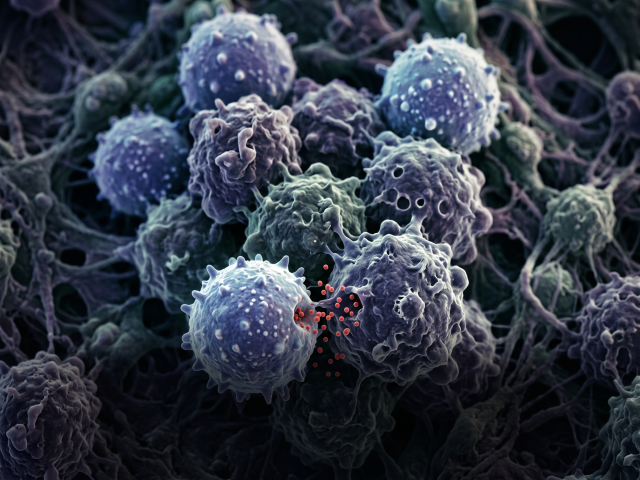
USC researchers boost CAR T cell therapy by activating the PPARD protein, enabling immune cells to burn fat and aggressively destroy hard-to-treat cancer tumors.
Resumen y aportes del autor:
Author's notes: A potential game-changer in cancer therapy is emerging from the cutting edge of biomedical research! Scientists at the University of Southern California (USC) have discovered a revolutionary way to reprogram immune cells, effectively teaching them to burn fat and destroy tumors from within. What makes this breakthrough so astonishing is that researchers managed to turn a protein that usually fuels cancer growth directly into a weapon against it. By rewiring how these immune cells consume energy, the team transformed cellular metabolic processes into targeted tumor-destroying engines, unlocking an unexpected strategy to fight aggressive malignancies. In my view, this innovative approach could redefine how we treat hard-to-tackle cancers in the near future. Instead of relying solely on traditional treatments that often harm surrounding healthy tissue, turning the cancer’s own growth mechanisms against itself is a brilliant tactical shift. If clinical trials confirm these findings, this discovery will mark a monumental leap forward for personalized immunotherapy and modern medicine as a whole.